tag—Phishing
 Microsoft Takes Down EvilTokens Device-Code Phishing Service Tied to 12,000 Inbox Compromises
Microsoft on Tuesday announced the takedown of the EvilTokens device code phishing service that it said used artificial intelligence (AI) "at every step of the attack chain." The action, carried out with authorization from the U.S. District Court for the Eastern District of Virginia, involved the efforts of Health-ISAC, alongside Cloudflare, Coinbase, OpenAI, Railway, SpyCloud, The Shadowserver
 SideCopy Broadens India Targeting to Academia With ReverseRAT Spear-Phishing
The threat actor known as SideCopy has been observed using spear-phishing lures to target academic institutions in India, expanding their strategic focus beyond government entities. "SideCopy campaign operations typically initiate through spear-phishing campaigns that leverage the abuse of mshta.exe to execute malicious scripts and circumvent standard security protocols," Trellix researchers
 Microsoft reminds admins to migrate Entra ID users to passkeys
Microsoft has reminded admins to migrate Entra ID users to phishing-resistant authentication methods to avoid sign-in disruptions after it retires SMS first-factor sign-in starting in February 2027.
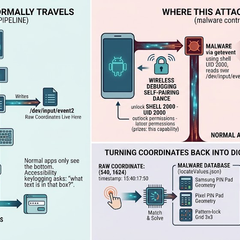 RatHat Android Malware Abuses ADB to Retain Shell Access After Uninstall
Cybersecurity researchers have flagged a new Android malware called RatHat that's assessed to be operated by China-based threat actors and features an artificial intelligence (AI)-powered system to navigate and control compromised devices. "Distributed primarily via targeted smishing (SMS/text phishing) and malvertising campaigns leading to deceptive third-party download portals, RatHat uses
 N0va Phishkit Targets US and EU Businesses: A New Challenge for Identity Security
N0va is targeting organizations across North America and Europe with phishing campaigns that impersonate trusted services and abuse legitimate authentication flows. Successful attacks can give threat actors access to valid accounts without relying on obvious malware activity. From there, a single compromised identity can open the door to sensitive data, business systems, and additional cloud
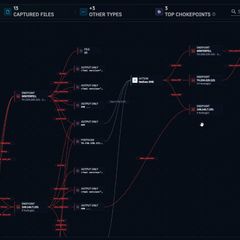 Attack Chains, Not Just Attack Surfaces: Why Testing Individual Techniques Misses the Point
Introduction Security teams have gotten pretty good at testing against what can hurt them. Can this EDR agent catch this payload? Will my organization fail the phishing simulation? Does this SIEM rule fire on this particular technique? And, in more mature organizations, this testing happens continuously rather than as a one-off exercise. But no matter how much you validate against these
 China-Linked Hackers Exploit Chrome-Windows Zero-Day Chain to Deploy GRIMWEDGE
A Chinese threat actor has been attributed to a spear-phishing campaign that exploits recently patched security flaws in Google Chrome and Microsoft Windows to deliver a malicious JavaScript backdoor called GRIMWEDGE. Volexity, which is tracking the threat cluster under the moniker UTA0560, said the activity targeted multiple non-governmental organizations (NGOs) on September 1, 2026. "The
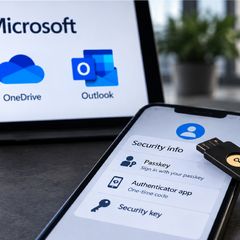 Attackers Use Passkey Phishing to Hijack Microsoft Cloud Accounts and Exfiltrate Data
Microsoft has disclosed details of two campaigns in which threat actors are abusing third-party email delivery infrastructure to blast financial fraud scam messages and using passkey-themed social engineering to breach cloud environments. The first campaign, per the tech giant, involved sending over a million scam emails between August 3 and 5, 2026, by masquerading as chief executive officers
- Passkey-themed phishing attacks lead to Microsoft 365 data theft
Microsoft says threat actors linked to ShinyHunters, Helix, and other extortion gangs are using passkey and single sign-on-themed social engineering attacks to compromise corporate Microsoft accounts and steal data from Microsoft 365 services.
 Trezor: 347,000 users targeted in phishing attacks after Brevo breach
Trezor has revealed that phishing attacks against its customers earlier this week targeted 347,000 email addresses and affected 2,500 users who clicked an embedded malicious link.

- 1
- 2
- 3
- 4
- 5
- 6
- 47