tag—Crypto Currency
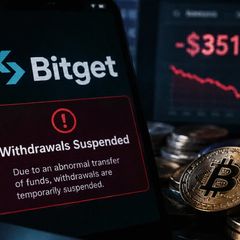 Bitget Says Suspected North Korean Hackers Stole $351.6M After Backend Compromise
Cryptocurrency exchange Bitget said suspected North Korean threat actors have stolen $351.6 million from its hot and warm wallets. "At 18:31 UTC on September 24, 2026, Bitget's security systems identified unauthorized transfers involving a limited number of hot wallets," BitGet said in a post shared on X. "Bitget's cold wallets and the overwhelming majority of platform assets remain
 Hackers steal $351.6 million in Bitget crypto exchange hack
Cryptocurrency exchange Bitget disclosed today that suspected North Korean hackers have stolen $351.6 million from its hot and warm wallets.
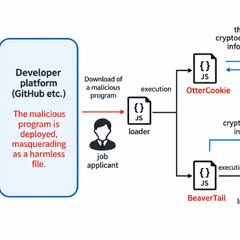 Contagious Interview Campaign Compromises 30,000 Devices, Steals $10.71M in Crypto
The North Korean threat actors behind the Contagious Interview campaign have compromised at least 30,000 devices located in more than 100 countries and siphoned funds or account credentials from over 7,000 cryptocurrency wallets, according to a new joint cybersecurity advisory. The primary targets of the campaign are individual web designers, engineers, and specialists in cryptocurrency,
 North Korean WaterPlum hackers infected 30,000 devices worldwide
A joint law enforcement advisory warns that the North Korean hacking group WaterPlum compromised at least 30,000 devices worldwide from December 2025 through July 2026 and transferred more than $10.7 million in stolen cryptocurrency to North Korea.
 U.S. Disrupts Xinbi Guarantee Scam Marketplace, Freezes $52.8 Million in Crypto
The U.S. Department of Justice (DoJ) on Wednesday announced coordinated actions aimed at an illicit online marketplace called Xinbi Guarantee that offered scam services, including seizing Telegram channels used to run the service, confiscating two cryptocurrency wallets, and deploying the Scam Center Strike Force to Madagascar to help disrupt 13 scam compounds run by Chinese organized crime
 Trezor data breach impact now reaches 81,000 customers
Cryptocurrency hardware wallet maker Trezor says an August data breach at its shipping and logistics provider, ShipMonk, affects an additional 67,000 U.S. customers.
 Four REVSTEALER-Linked Modules Disable Windows Update and Defender to Run a Crypto Miner
Elastic Security Labs has documented four previously unreported programs associated with REVSTEALER, an emerging Windows information stealer, that remain on an infected machine after the stealer deletes itself. One of them switches off Windows Update and Microsoft Defender before running a cryptocurrency miner. The company named the four programs ProManager, WinUpdate, SoftManager, and
 Cronos blockchain restarts after $74 million Tectonic exploit
The Cronos blockchain network has resumed trading activity after a price-manipulation attack on the Tectonic cryptocurrency lending platform allowed an attacker to borrow $74 million.
 Chrome Web Store extensions caught stealing crypto, browser data
Multiple extensions for Google Chrome and Microsoft Edge delivered a malware framework that deployed modules to steal cryptocurrency, sensitive data, and browser history, as well as inject ClickFix lures.
 19 Chrome and Edge Extensions Found With Wallet-Stealing and Crypto-Draining Code
Cybersecurity researchers have discovered a cluster of 18 Google Chrome and one Microsoft Edge extensions that were published over the last six months and harbored wallet secret stealing and cryptocurrency draining capabilities. The extensions, per Socket security researcher Karlo Zanki, share similarities in code and tradecraft, with evidence indicating that the campaign may have been active
- 1
- 2
- 3
- 4
- 5
- 6
- 34